
Supporting Enzo over the years
*Name changed to protect the child’s identity.
When Enzo (7) joined Siyakwazi’s Inclusion Programme towards the end of 2021, he was just 2 years old. Although he had reached some of his early developmental milestones, his family had growing concerns about his development and communication. Looking back, his mother, Funeka, remembers noticing differences from a very young age. “He was always busy. He seemed hyper and jumpy even when he was about 12 months old.”
She also recalls that even while breastfeeding, maintaining eye contact was difficult. As Enzo grew older, he had very limited speech, preferred to play on his own and struggled to communicate with the people around him.
A Child Functioning Module (CFM) assessment completed when he entered Siyakwazi’s Inclusion Programme in 2021 reflected these concerns. It found that Enzo was unable to understand what others were saying to him, that others had significant difficulty understanding him, and that he was experiencing difficulty learning new things.
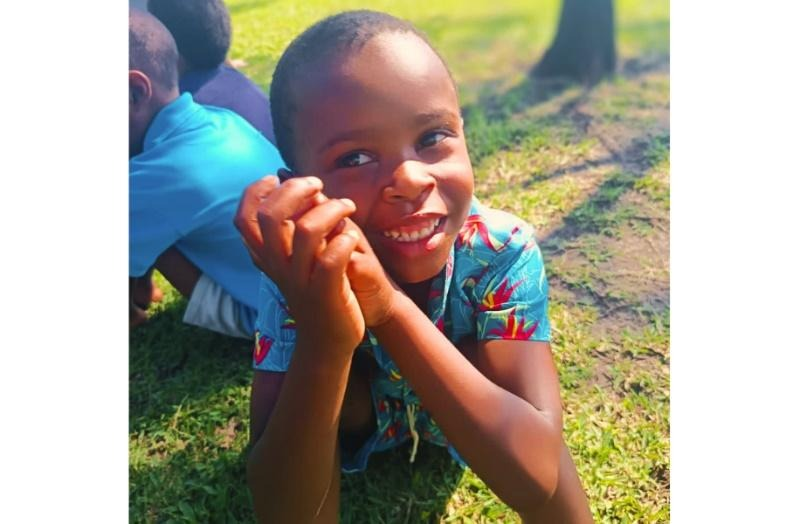
UNDERSTANDING ENZO’S NEEDS
Following assessments by Siyakwazi’s therapy team, Enzo was referred through his local clinic and received a diagnosis of autism spectrum disorder (ASD) in February 2022. While accessing the diagnosis and medication was relatively straightforward, understanding what the diagnosis meant for their son was much more difficult. His mother adds: “Knowing what ASD was and what it meant for my child was hard. I didn’t know what to expect. Siyakwazi helped a lot with explaining.”
An occupational therapy (OT) assessment by Siyakwazi’s occupational therapist Dani provided a clearer picture of Enzo’s strengths and challenges. He presented with minimal verbal communication, limited eye contact, repetitive behaviours, restricted interests and significant difficulties with social interaction. He preferred isolated play, showed little interest in engaging with other people and experienced sensory sensitivities, particularly to food textures and sounds. He also relied on considerable assistance with many everyday activities.
Rather than focusing only on therapy sessions, Siyakwazi worked alongside Enzo’s family to integrate intervention into everyday life. OT focused on strengthening communication through language stimulation and choice-making, establishing predictable routines, increasing his independence in daily activities such as dressing, bathing and feeding, and supporting sensory regulation. Home visits by Siyakwazi’s Inclusion Programme Siyasizas (fieldworkers) helped his family understand ASD, respond to his communication attempts and build confidence in supporting his development.
At the same time, Siyakwazi partnered with the ECD centre where he was enrolled and their practitioners to encourage his participation and learning alongside other children.
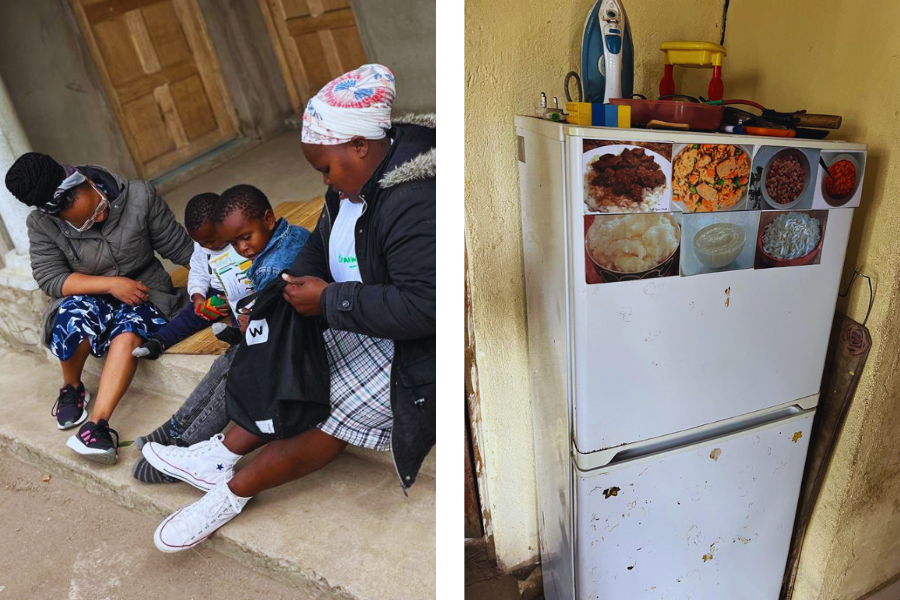
SUPPORTING THE WHOLE FAMILY
Like many families raising children with disabilities in under-resourced communities, Enzo’s parents faced challenges beyond his diagnosis. Although he qualified for a disability grant, the family only began receiving it at the end of 2023 after numerous visits to SASSA. “The process took a long time because his disability wasn’t obvious,” says Funeka. Throughout this period, Siyakwazi continued walking alongside the family, helping them understand Enzo’s development, advocate for his needs and prepare for the next stage of his education.
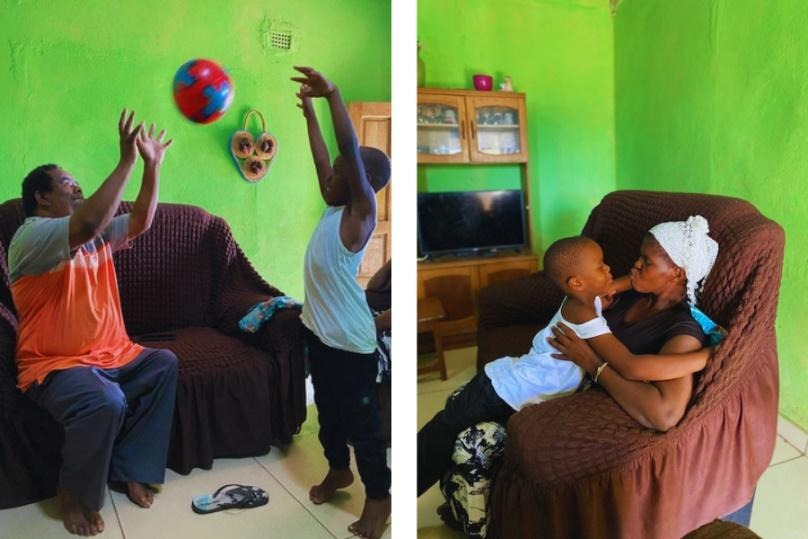
FINDING THE RIGHT EDUCATIONAL ENVIRONMENT
As Enzo got older, it became clear that he would benefit from a more specialised educational setting. Working closely with his family, Siyakwazi supported his referral and successful placement at CS Learning Centre, where he enrolled at the beginning of 2025. Although Enzo officially exited Siyakwazi’s direct Inclusion Programme services in 2025, the organisation continued providing transitional support to cover transport and stationery costs throughout his first year at CS Learning Centre to help ensure his successful integration. However, transport costs in 2026 have become a stumbling block for the family, resulting in some absence from school.
BUILDING SKILLS FOR LEARNING
After 18 months at CS Learning Centre, Enzo’s teacher, Hayley Anderson, describes a child who is settled, engaged and continuing to build on his strengths.
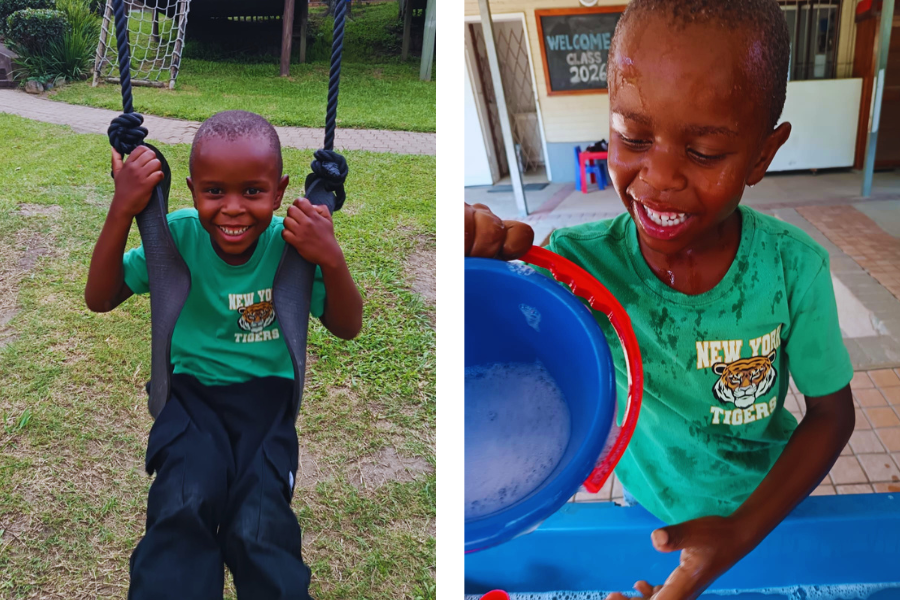
Right: Enzo splashes in water during sensory play at CS Learning Centre, June 2026 (image supplied)
In his recent term 2 report (June 2026), Hayley writes: “It has been wonderful to welcome Enzo back into the classroom and to see him re-establish himself within the school environment. He is a learner who approaches his day with curiosity and energy and continues to bring his own unique personality into the classroom. Through his positive attitude and encouraging progress in his ability to follow classroom routines, respond to instructions, and communicate his needs and preferences using gestures and early communication skills, he demonstrates a willingness to engage and participate in formal communication skills.
“He is able to communicate many of his wants and needs through gestures, facial expressions, and body language. He shows a good awareness of what is happening around him and often responds appropriately to familiar instructions and requests. Enzo listens well when his name is called and is able to follow a number of routine-based instructions within the classroom environment.”
These observations closely reflect the goals identified during Enzo’s first OT assessment 5 years prior at Siyakwazi. The early intervention priorities established in 2022 (strengthening communication, developing routines, increasing participation and building independence) are now evident in both his classroom participation and everyday life.
Hayley also describes him as: “A happy, energetic learner who brings enthusiasm to the classroom and engages well with familiar adults.” She notes that he particularly enjoys movement-based activities, outdoor play, building with blocks and exploring natural objects such as leaves. These interests are incorporated into his learning and provide valuable opportunities for sensory regulation and engagement.
PROGRESS BEYOND THE CLASSROOM
Enzo’s changes are equally evident at home. Although he remains largely non-verbal, his family now communicates confidently with him through gestures and pointing. Funeka says everyone in the household understands him, and he understands what is being asked of him. “Since joining CS Learning Centre, he has improved in concentration and communication. Even though he doesn’t use full sentences, he is able to communicate confidently with the family and we understand him.”
He has become better at following instructions and has developed positive daily routines. He enjoys helping his mother with household chores such as washing clothes and sweeping the floor, activities they often do together. But like many children with ASD, Enzo continues to experience some challenges. He remains selective about food, prefers familiar textures, dislikes playdough and is still developing his toileting routine. He also enjoys carrying a T-shirt or towel, which helps meet his sensory needs, and loves spending time outdoors playing with a ball.
His family increasingly sees his strengths. “He is very clever,” says Funeka. She believes her son will one day be able to find meaningful work. His father adds that although he still worries about Enzo’s safety if he wanders, the local community knows him well and helps keep an eye on him, recognising that he is a vulnerable child.
COORDINATED SUPPORT LONG-TERM
Enzo’s journey with Siyakwazi demonstrates that early identification is the first step, followed by coordinated support that evolves alongside a child’s needs and wellbeing. Today, Enzo has successfully exited Siyakwazi’s Inclusion Programme and is continuing to build on his strengths at CS Learning Centre. His story demonstrates the value of early identification and sustained, family-centred intervention in helping children with invisible disabilities develop communication, participation and independence.
ENZO’S TIMELINE
- Late 2021: Enzo (2) joins Siyakwazi’s Inclusion Programme after concerns about his communication and development are identified.
- February 2022: Diagnosed with autism spectrum disorder (ASD) following referral through the local clinic. OT, Speech and Language Therapy, home visits and family support begin.
- 2022–2024: Receives ongoing therapy services, inclusion support at his ECD centre and guardian training to strengthen communication, routines and independence.
- 2025: At age 6, referred to and enrolled at CS Learning Centre, with Siyakwazi supporting the transition to a more appropriate educational environment. Transitional support continues during his first year at CS Learning Centre, including assistance with transport and stationery, helping ensure consistent school attendance and a successful transition.
- 2026: At age 7, exits Siyakwazi’s Inclusion Programme services.